
gift
Everything simply is. We are content with simply that.
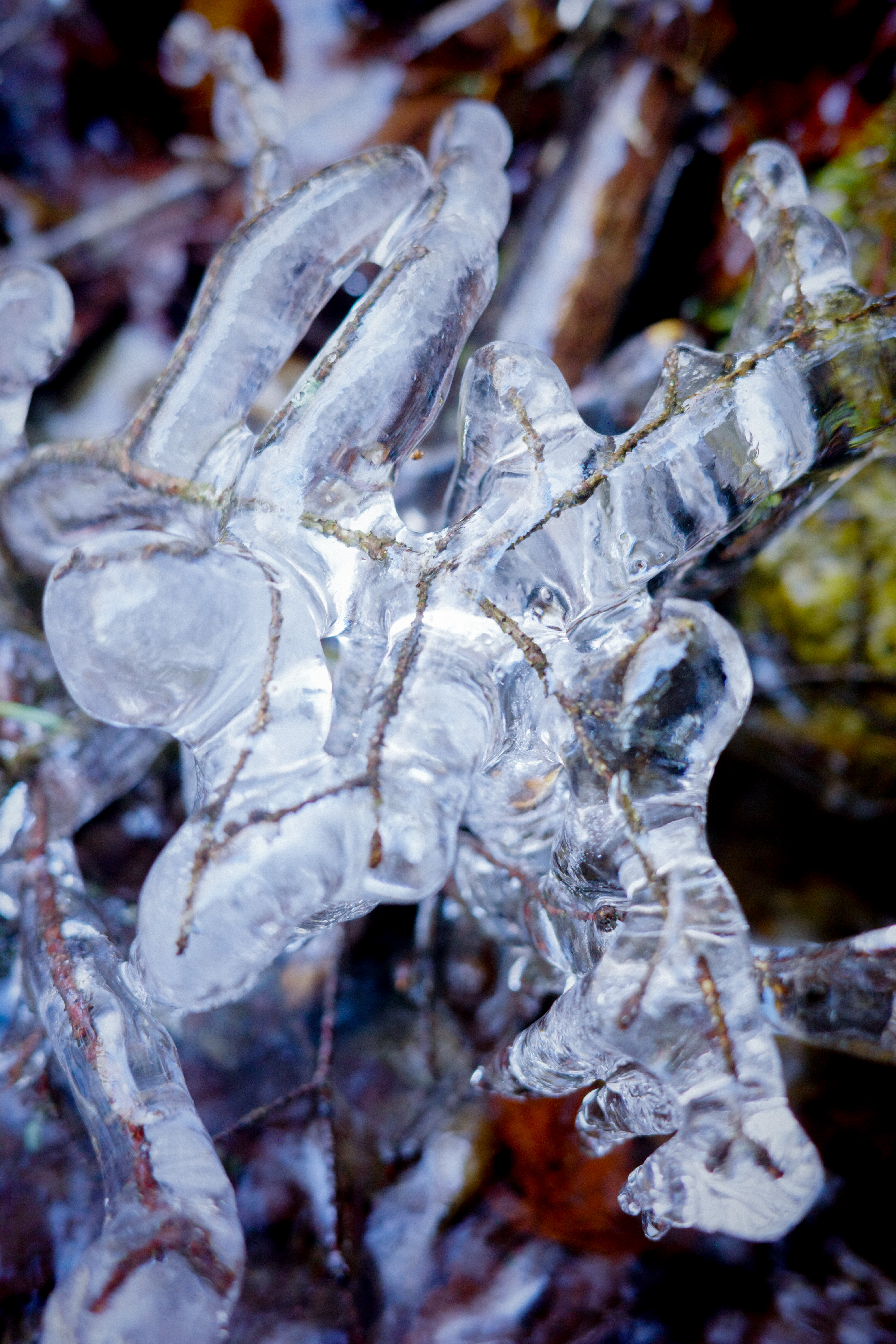
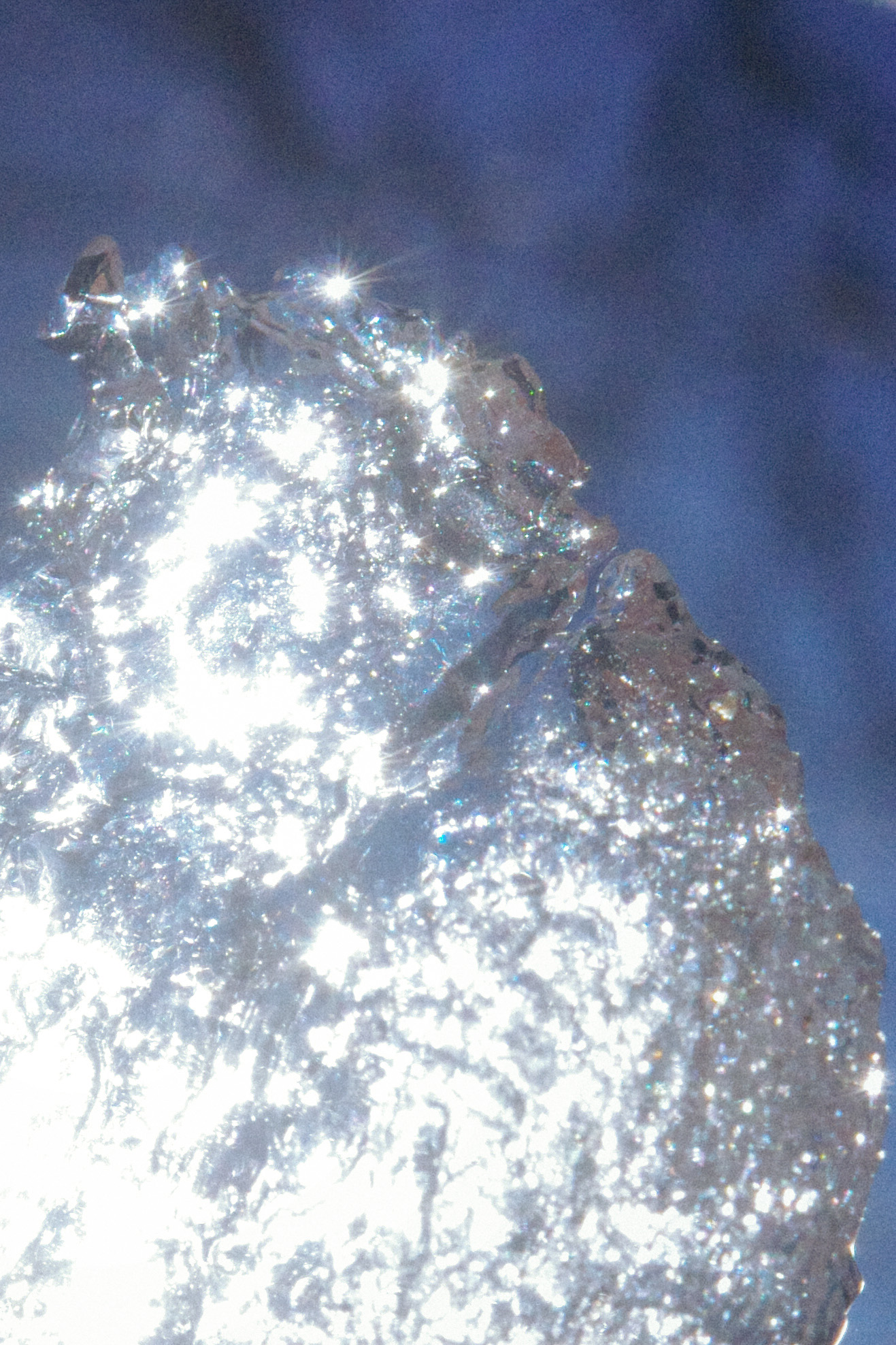
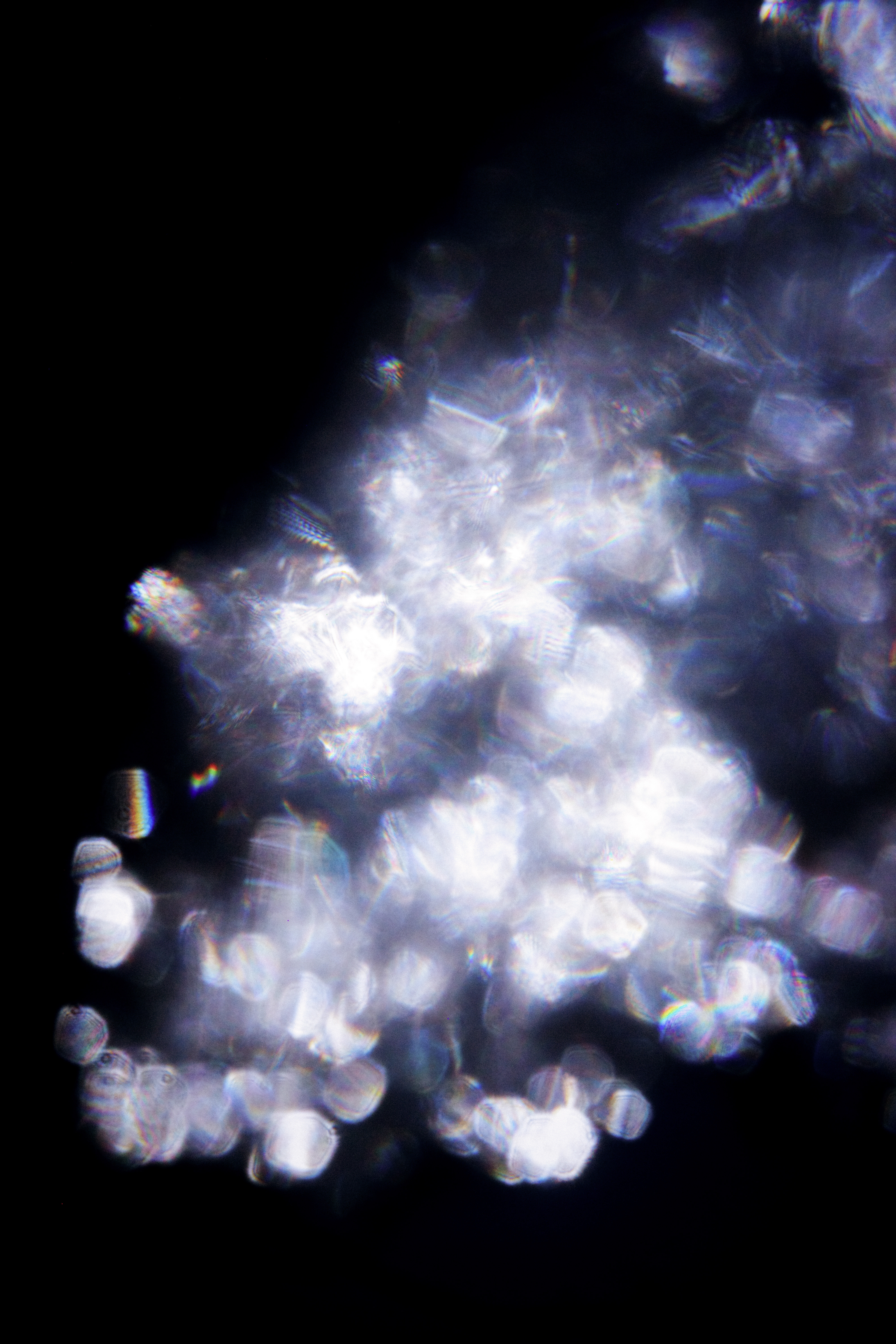
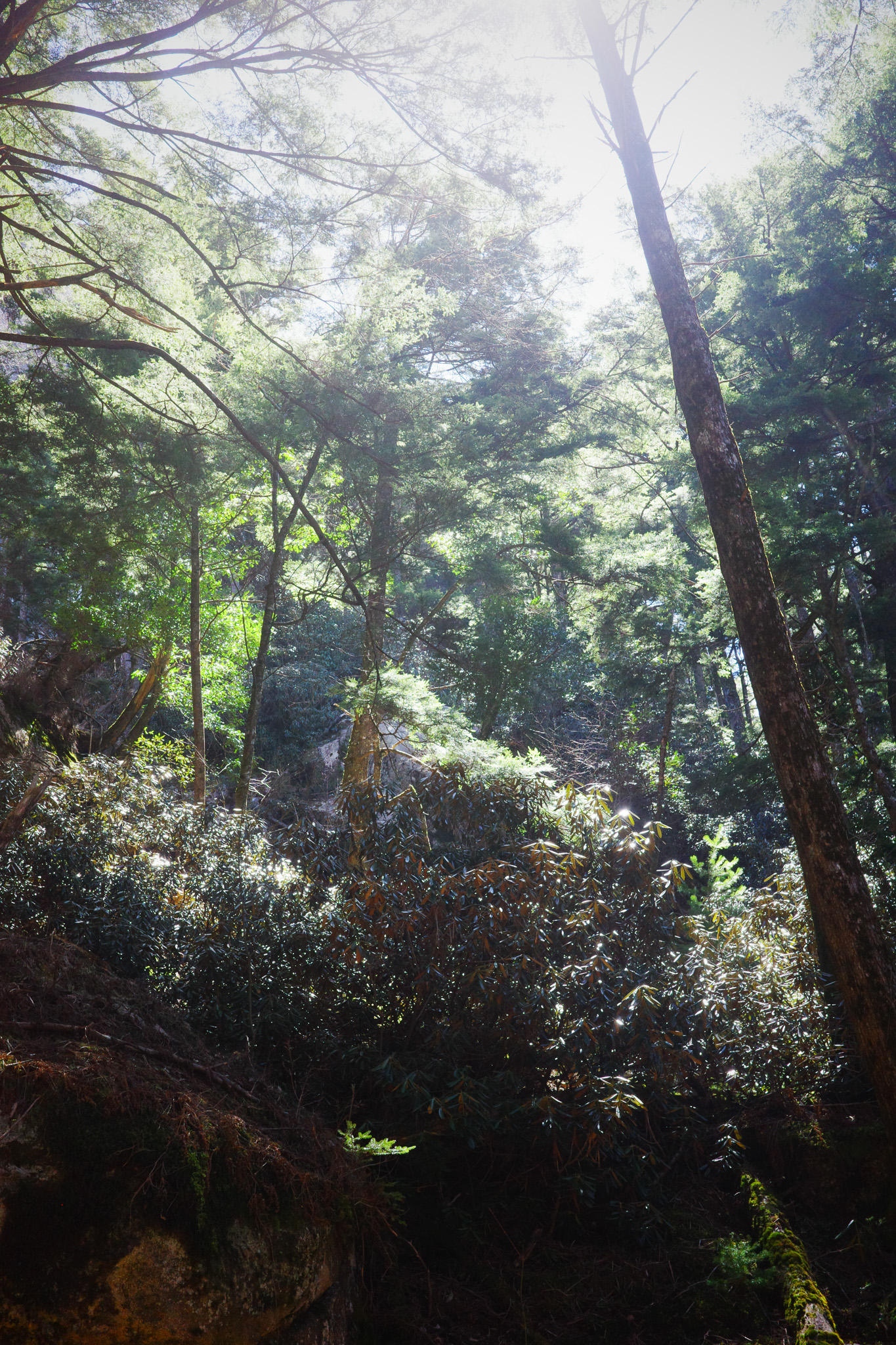
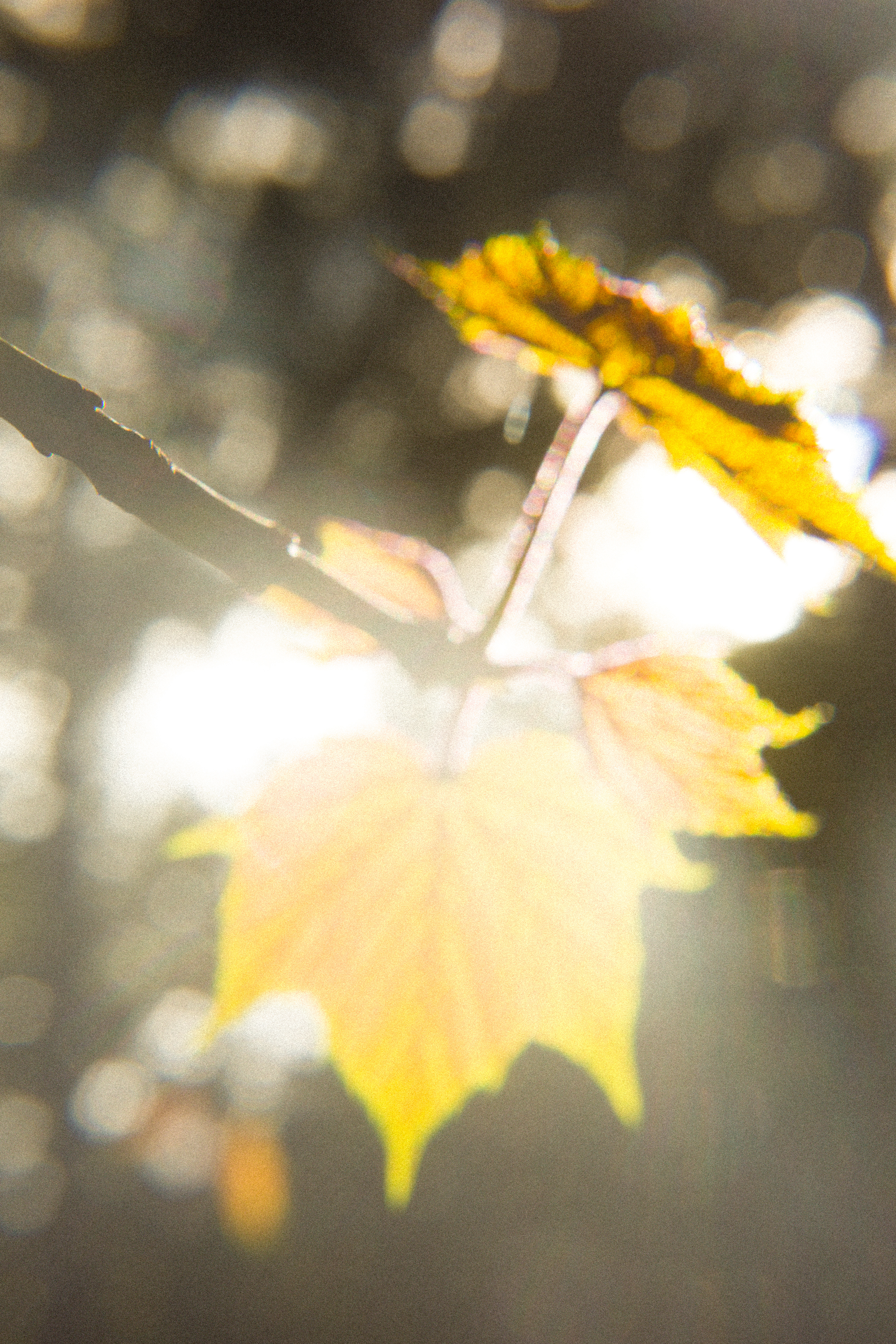
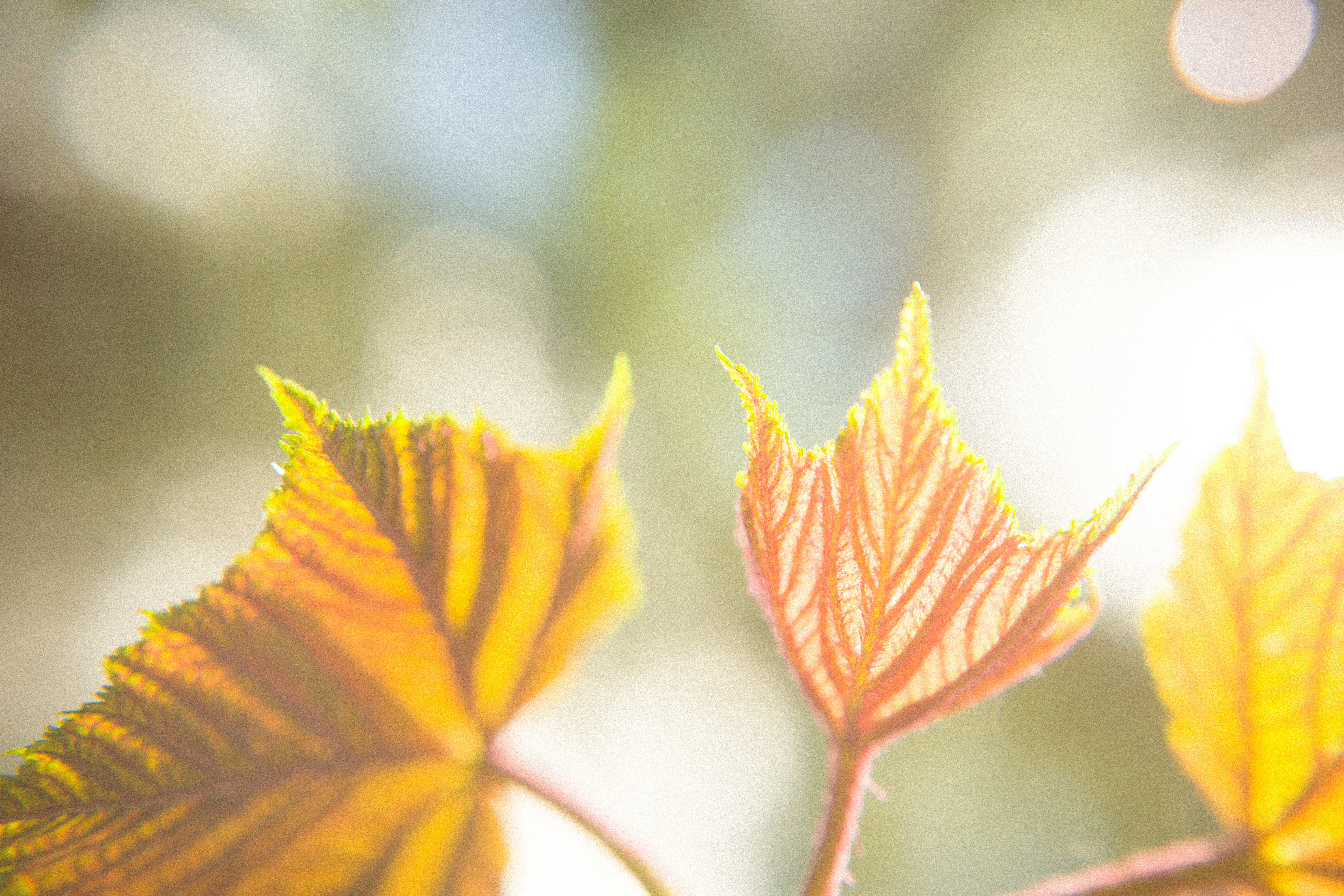
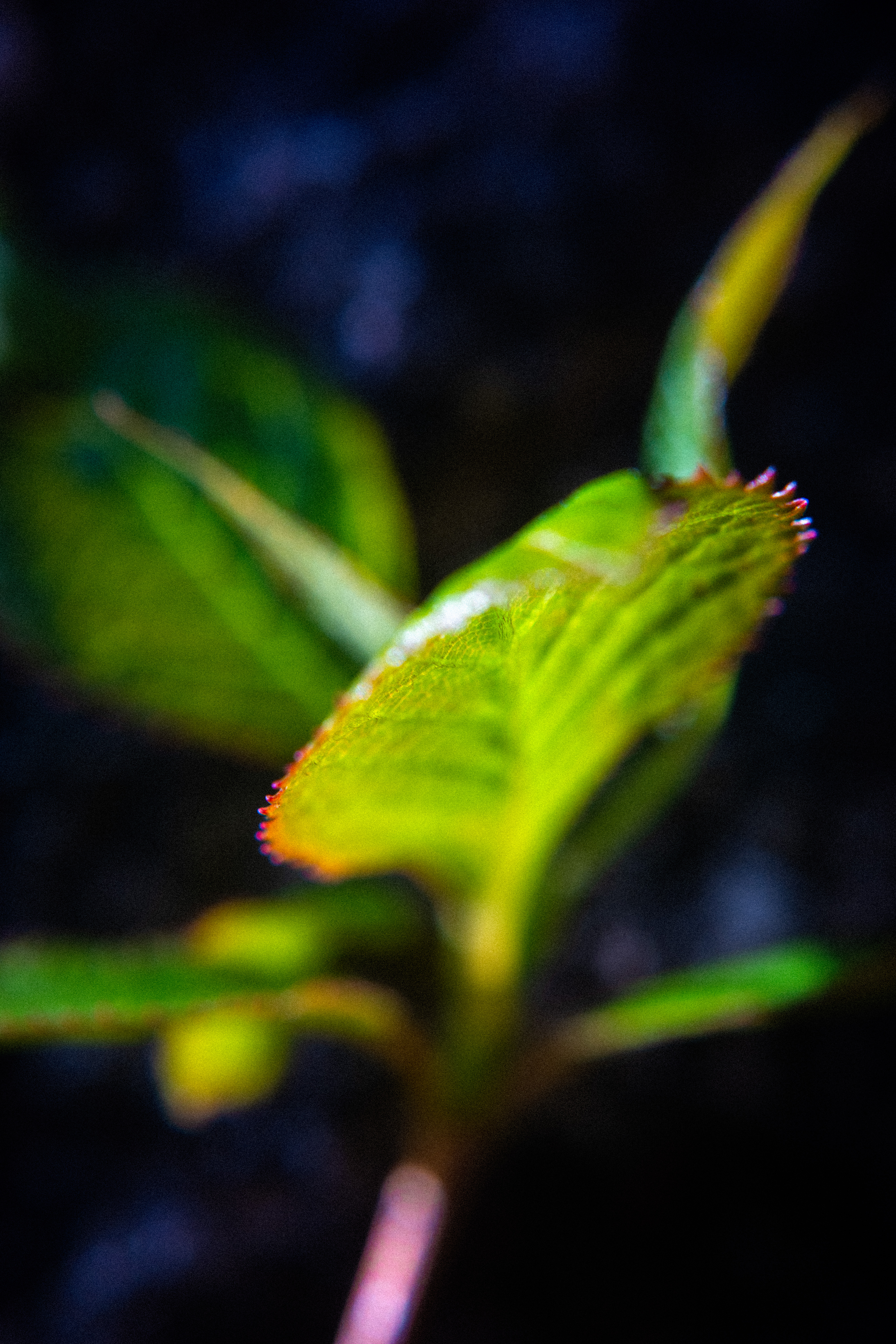
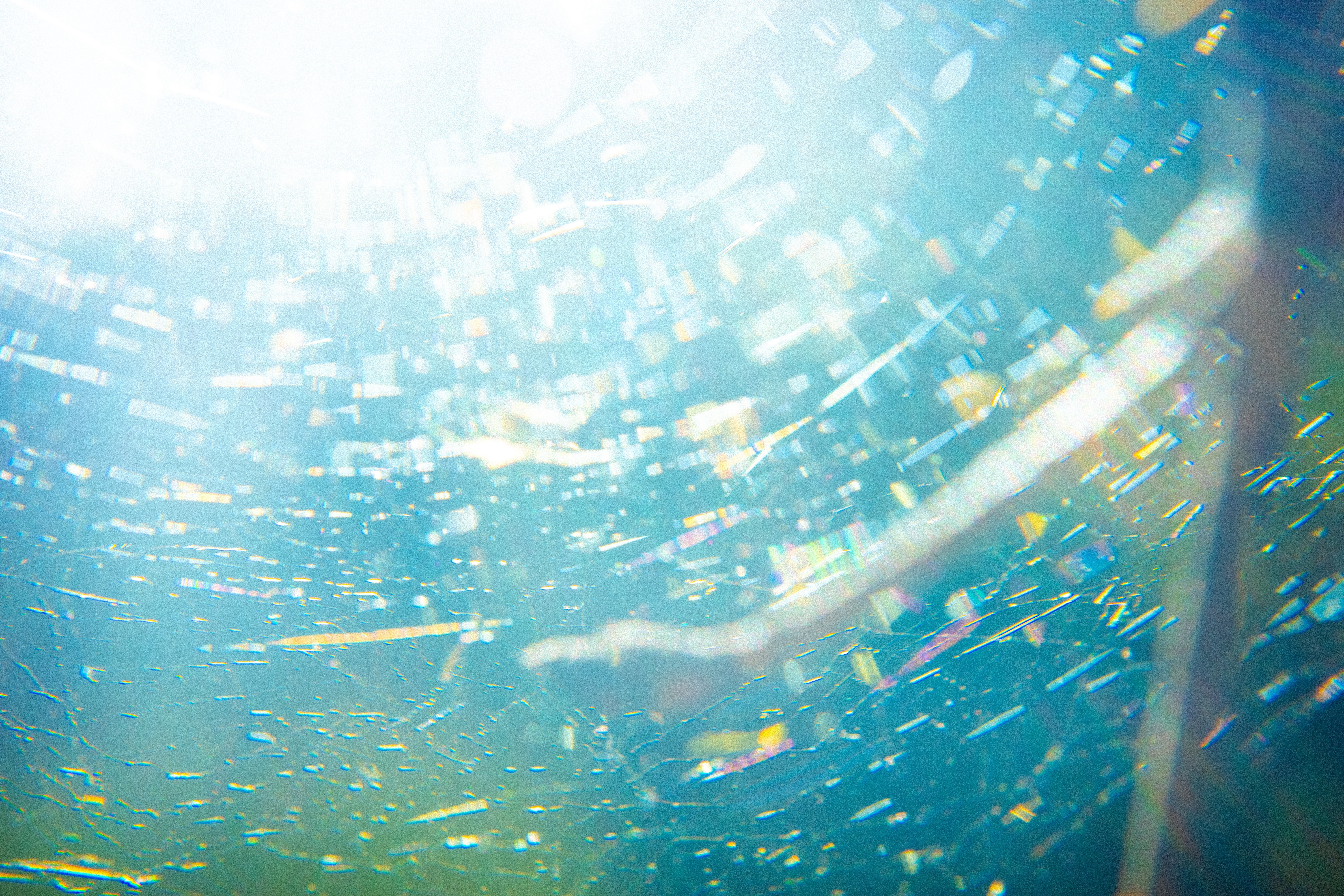
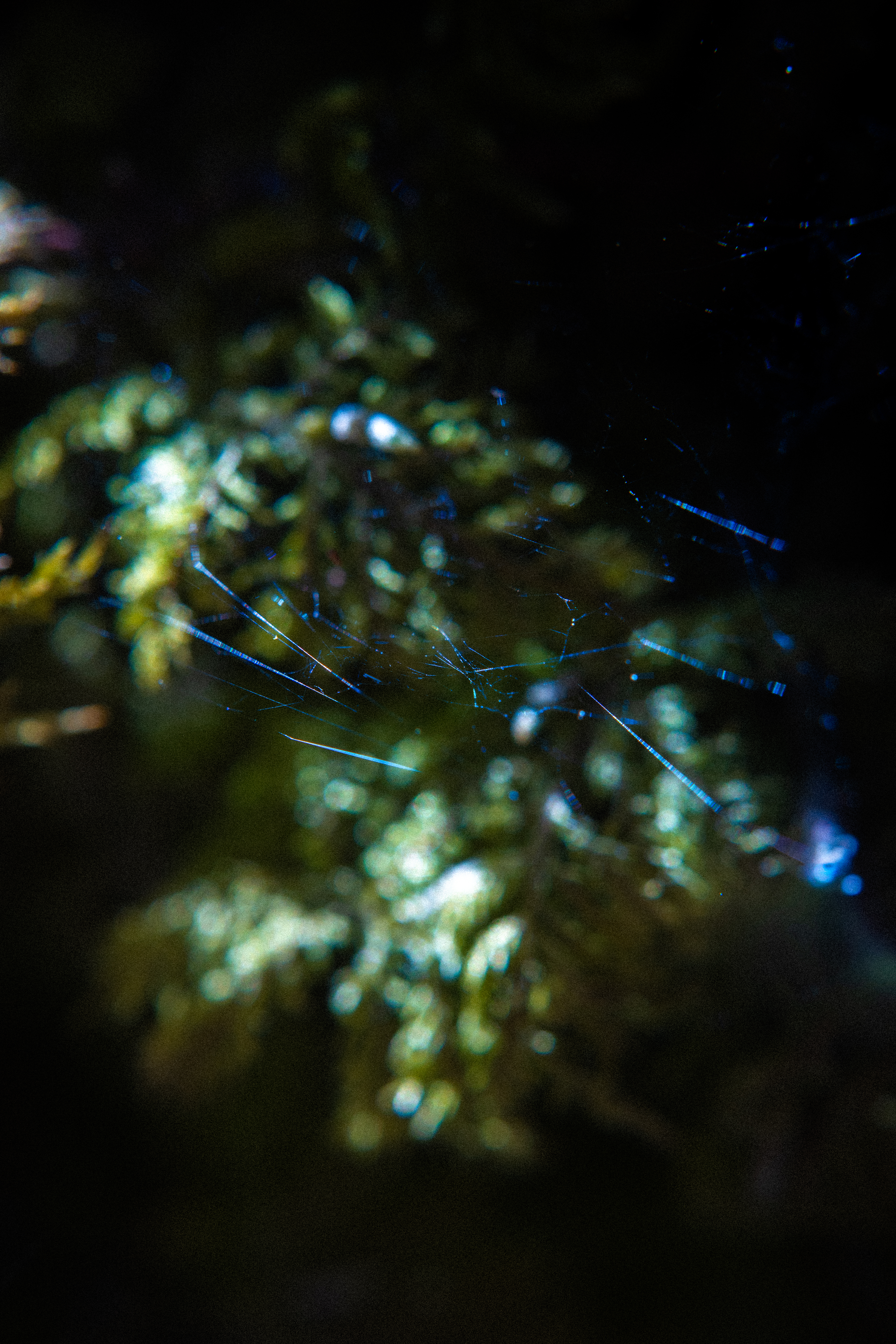
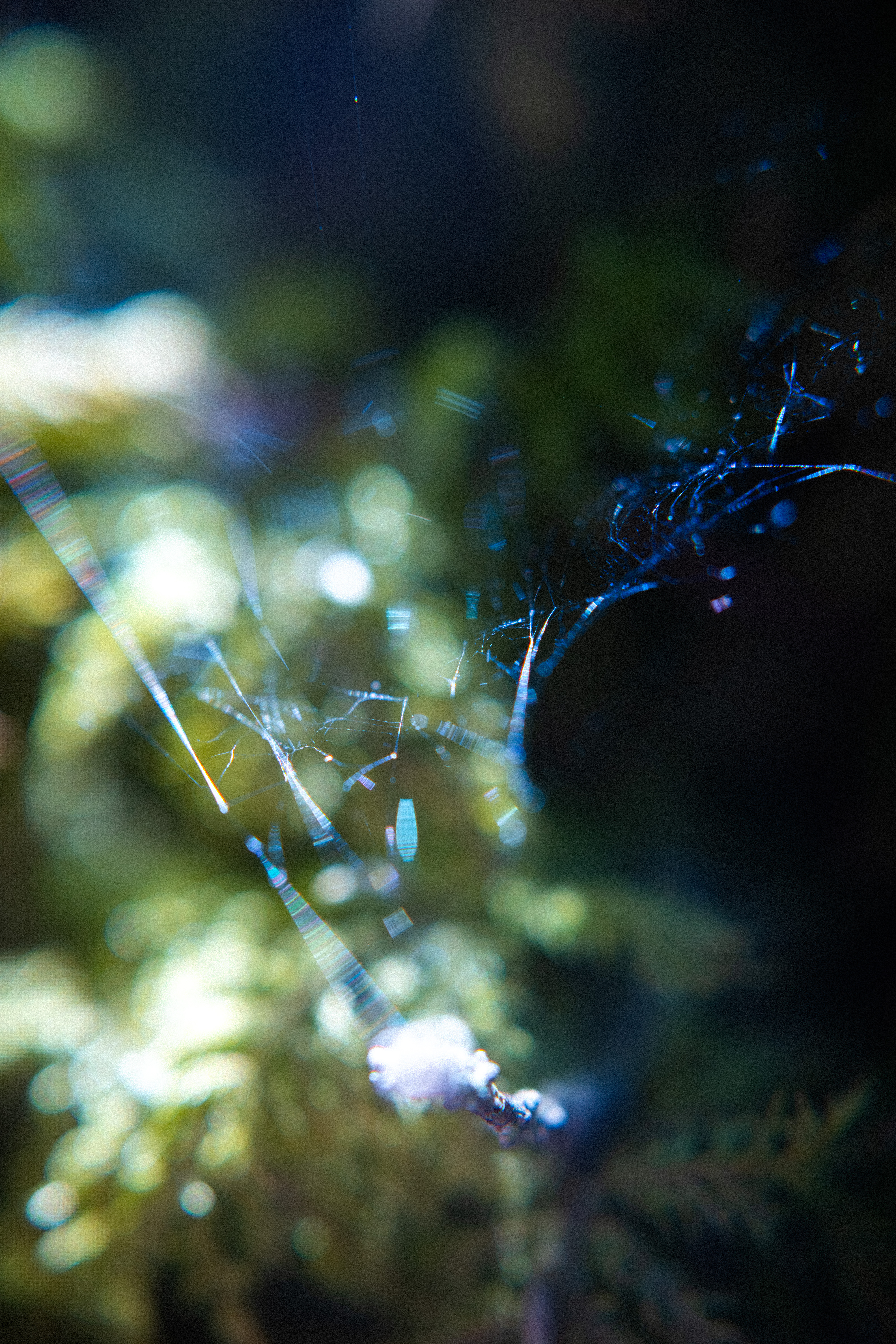
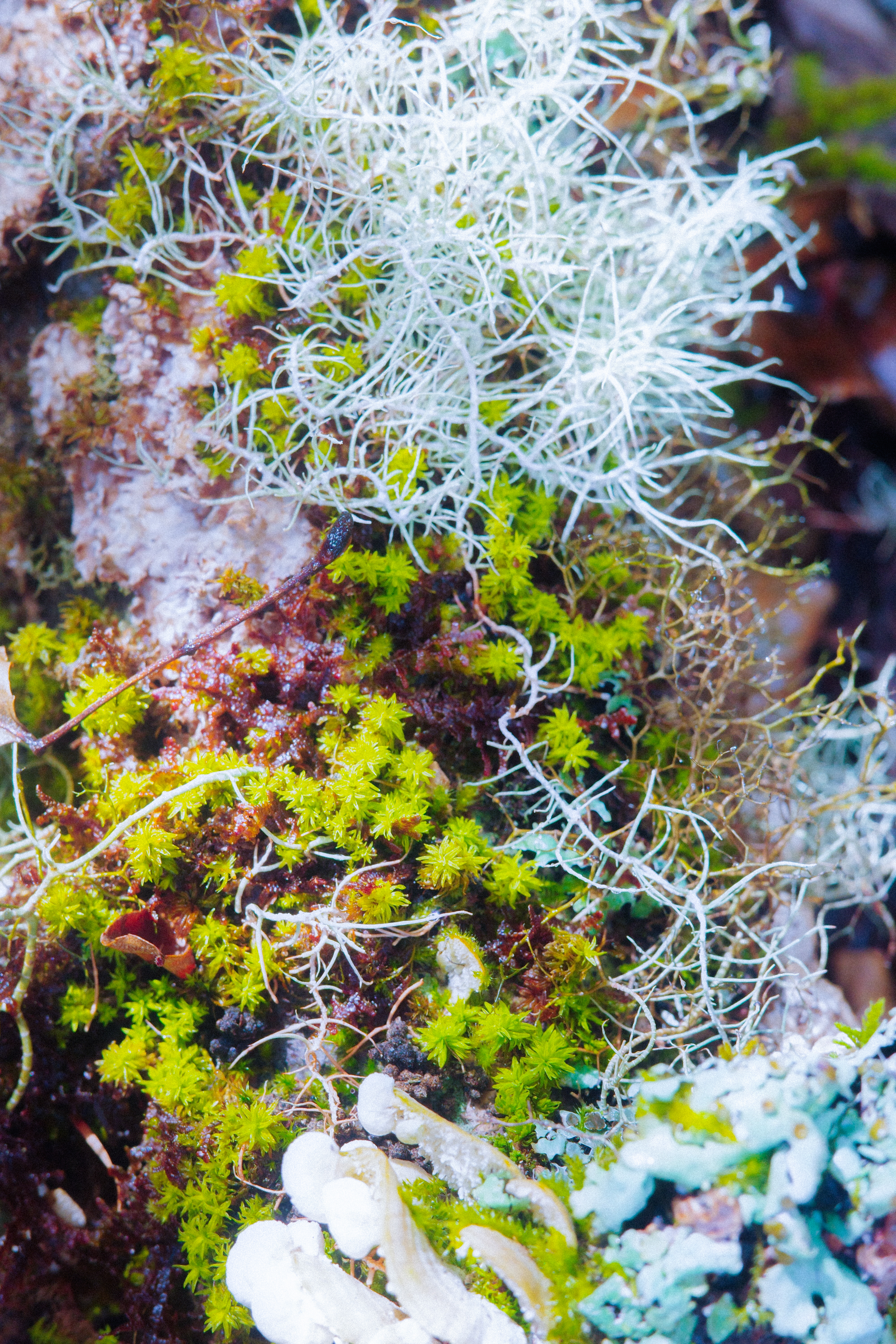
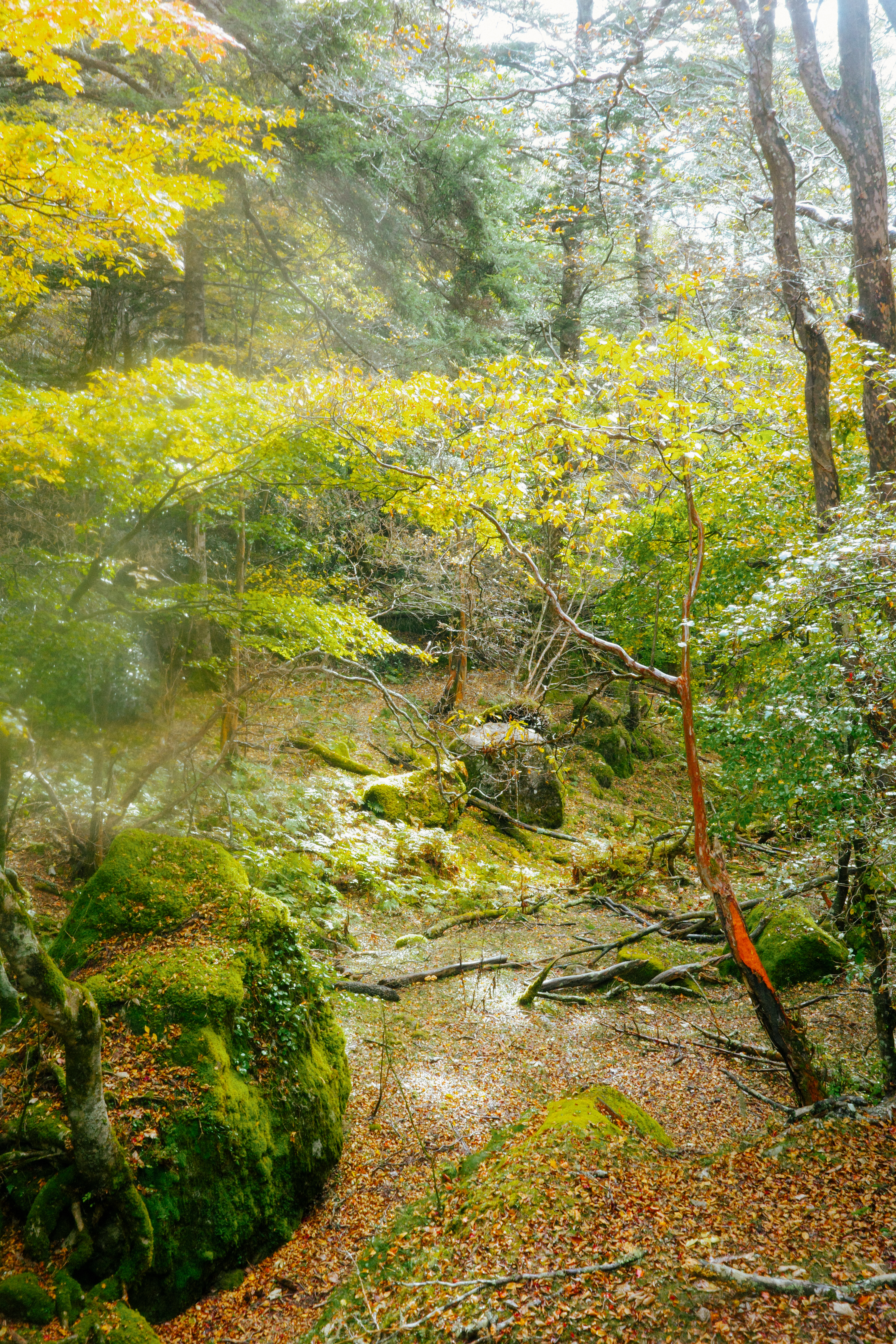
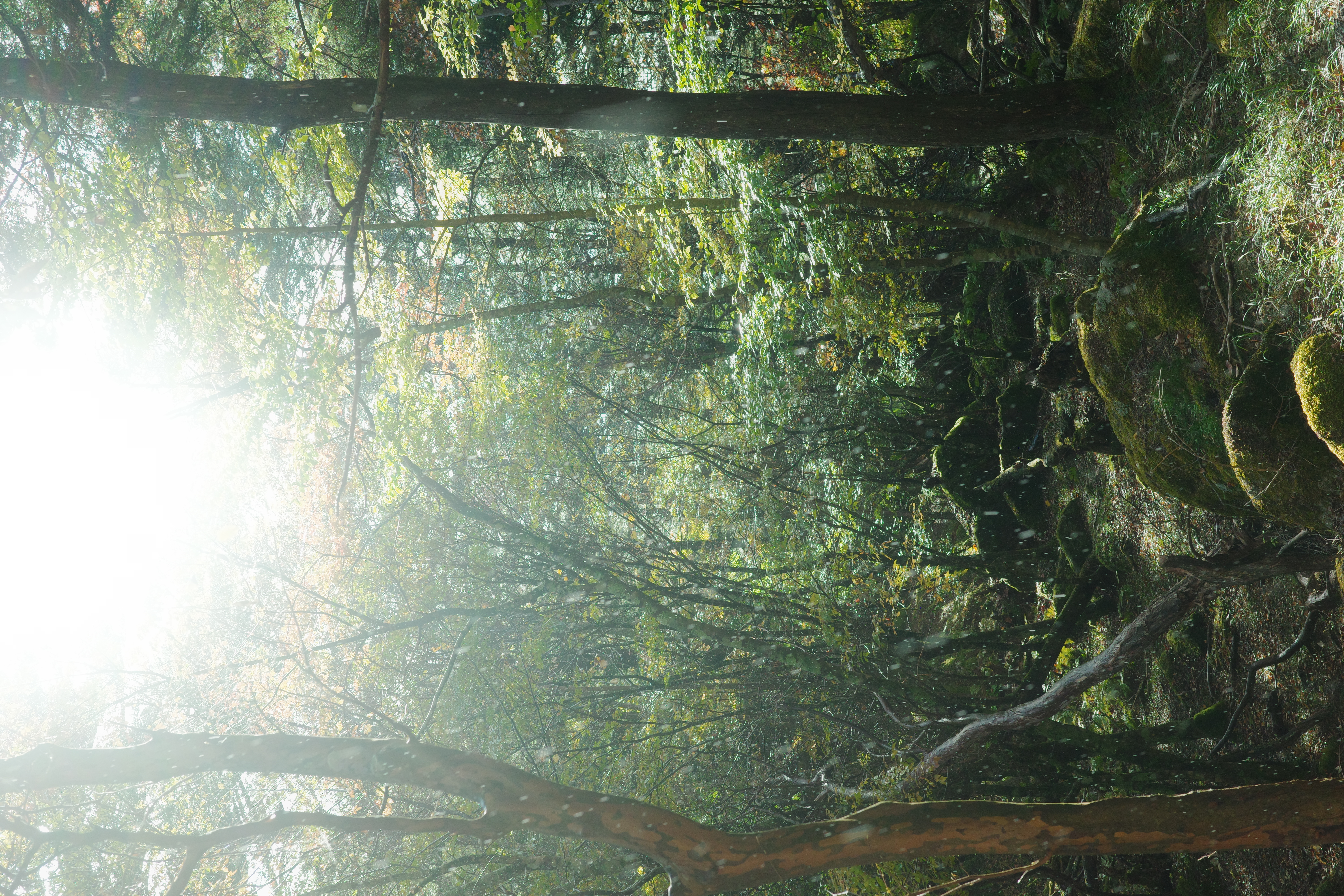
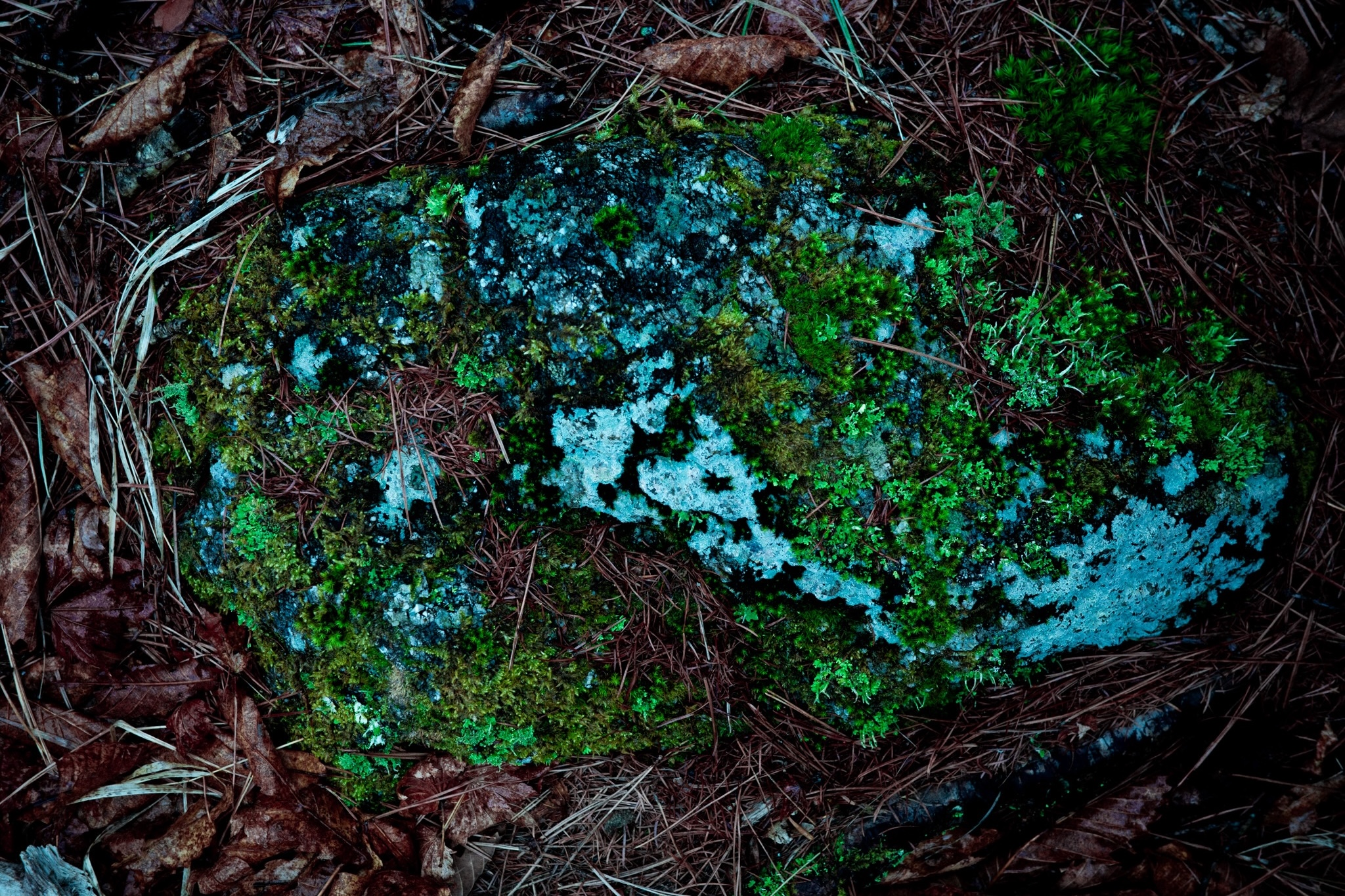
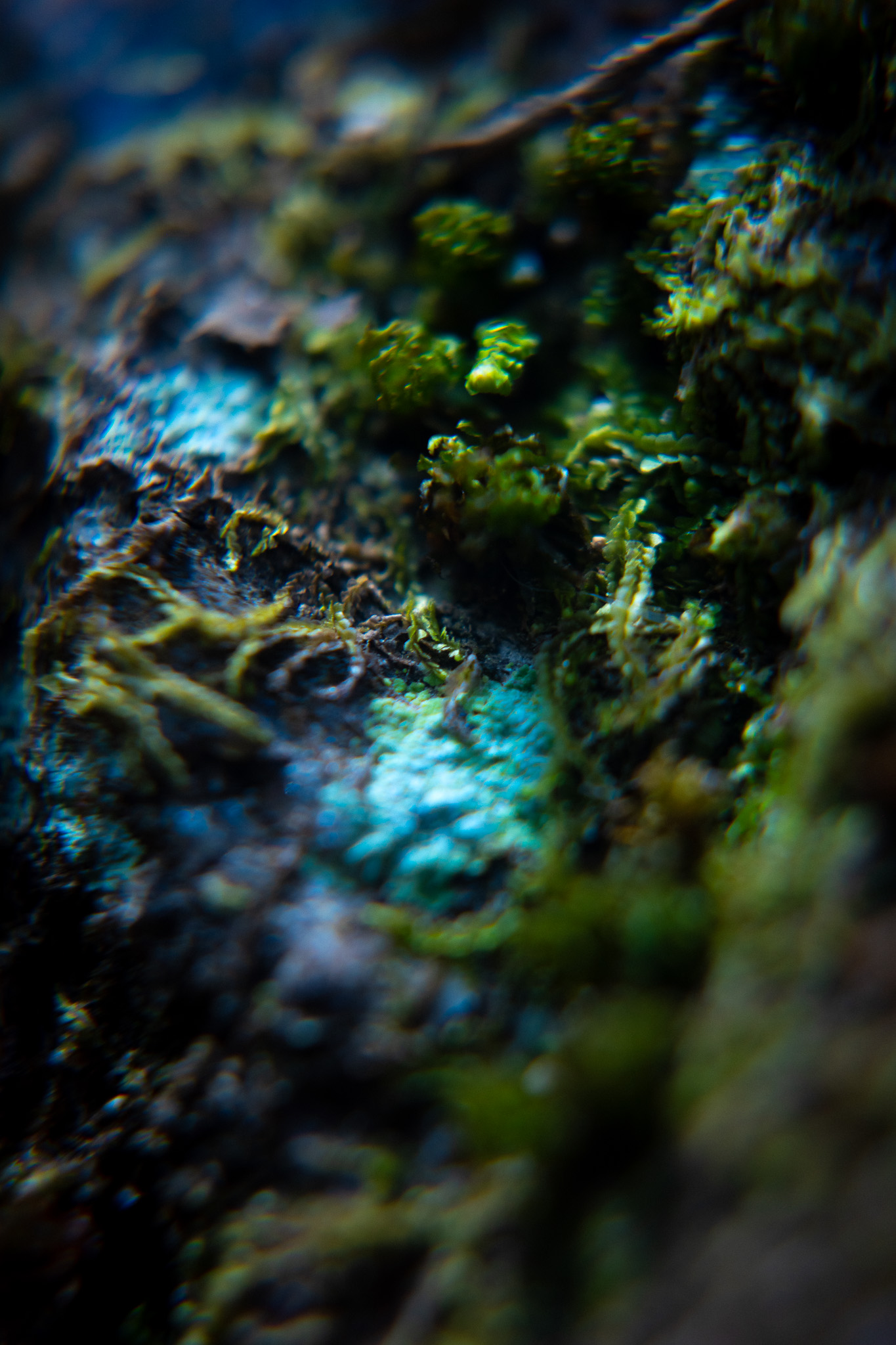
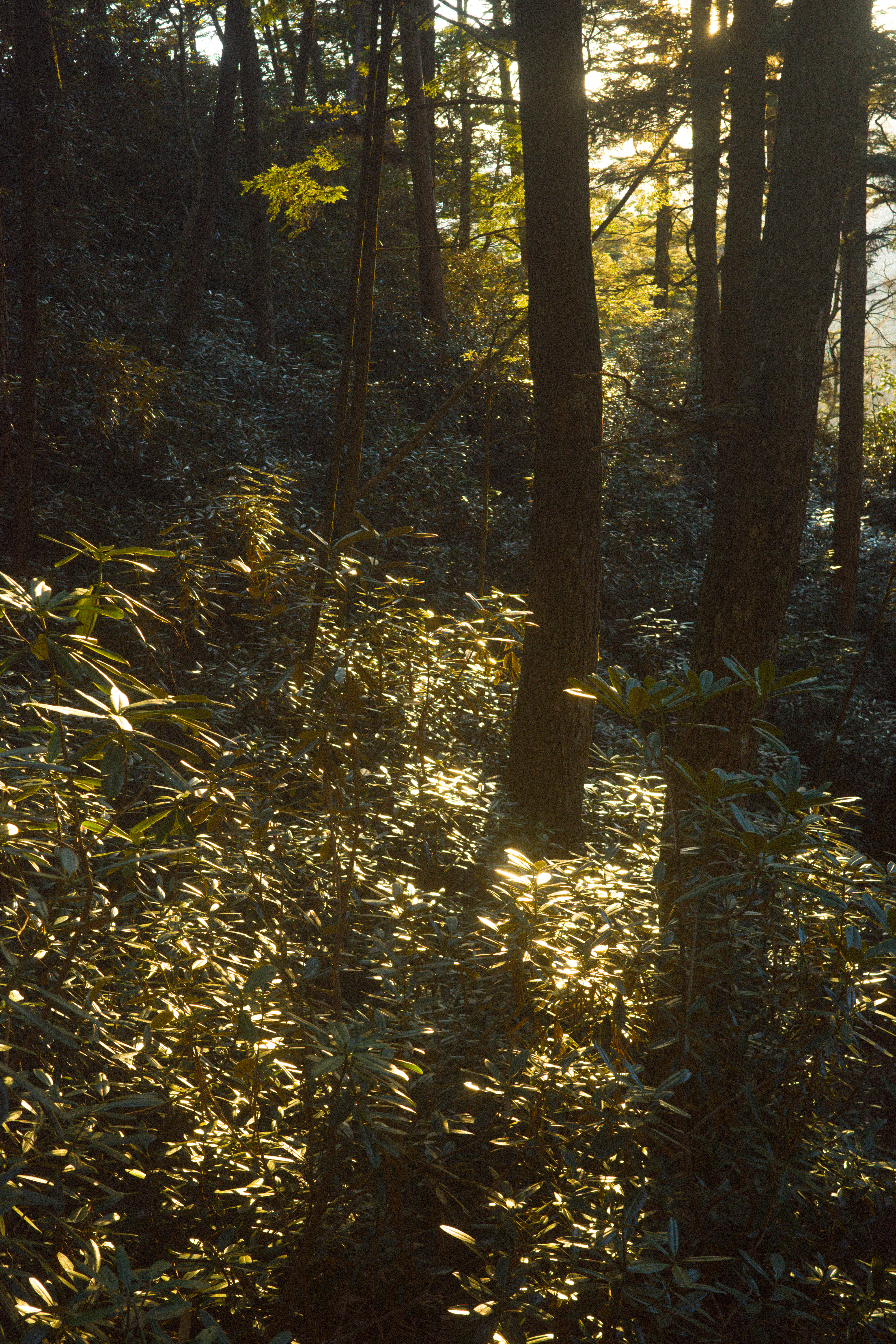
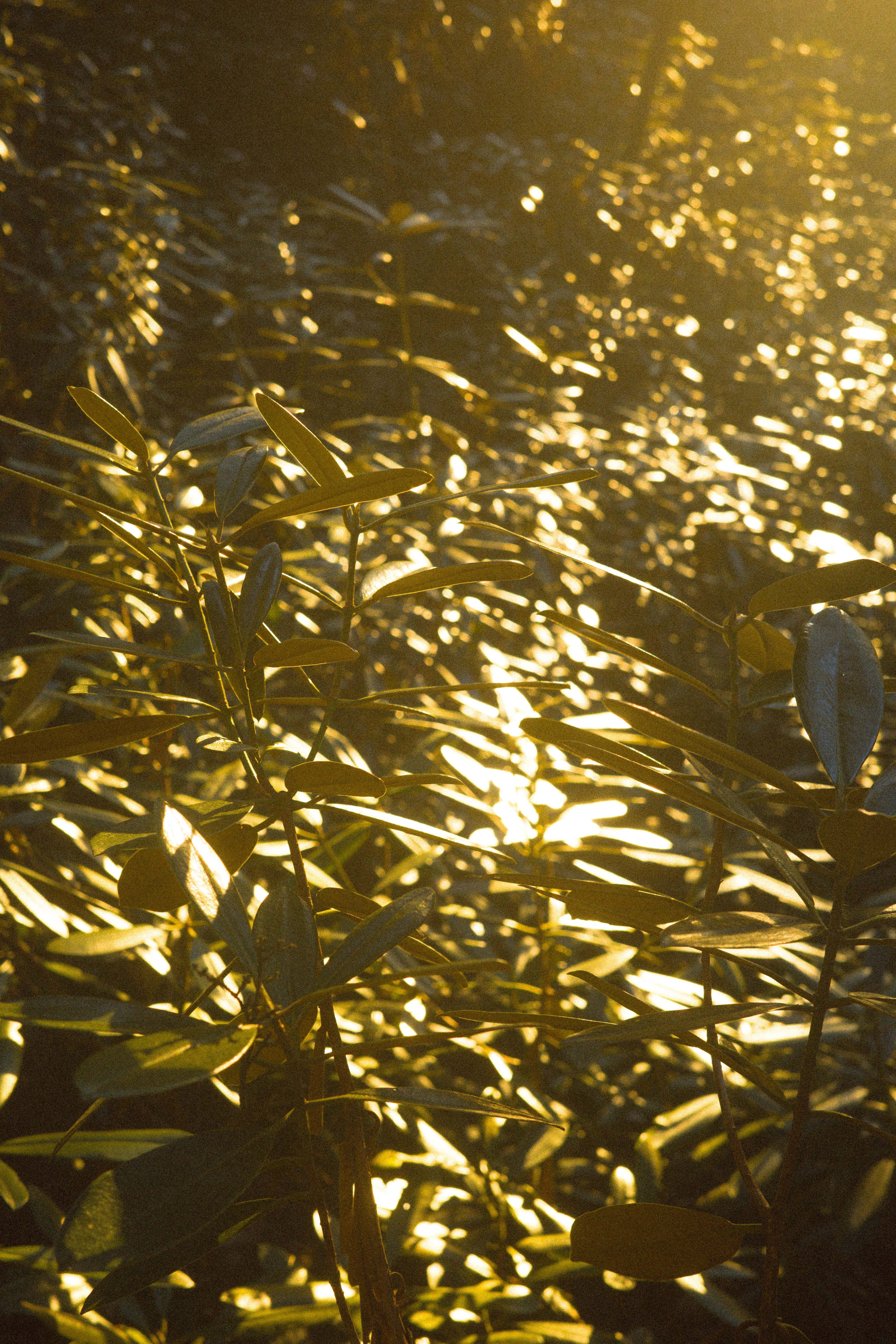
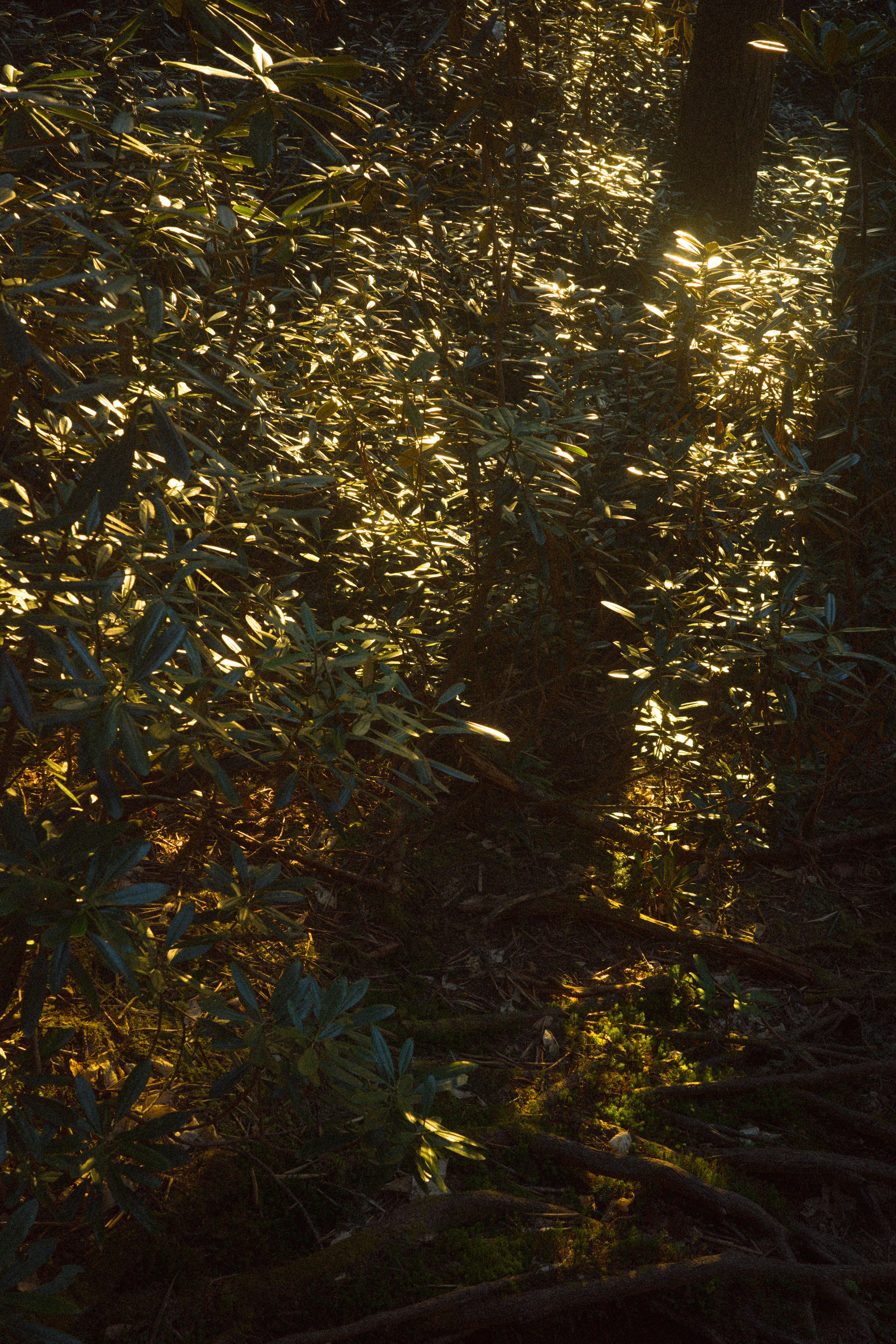
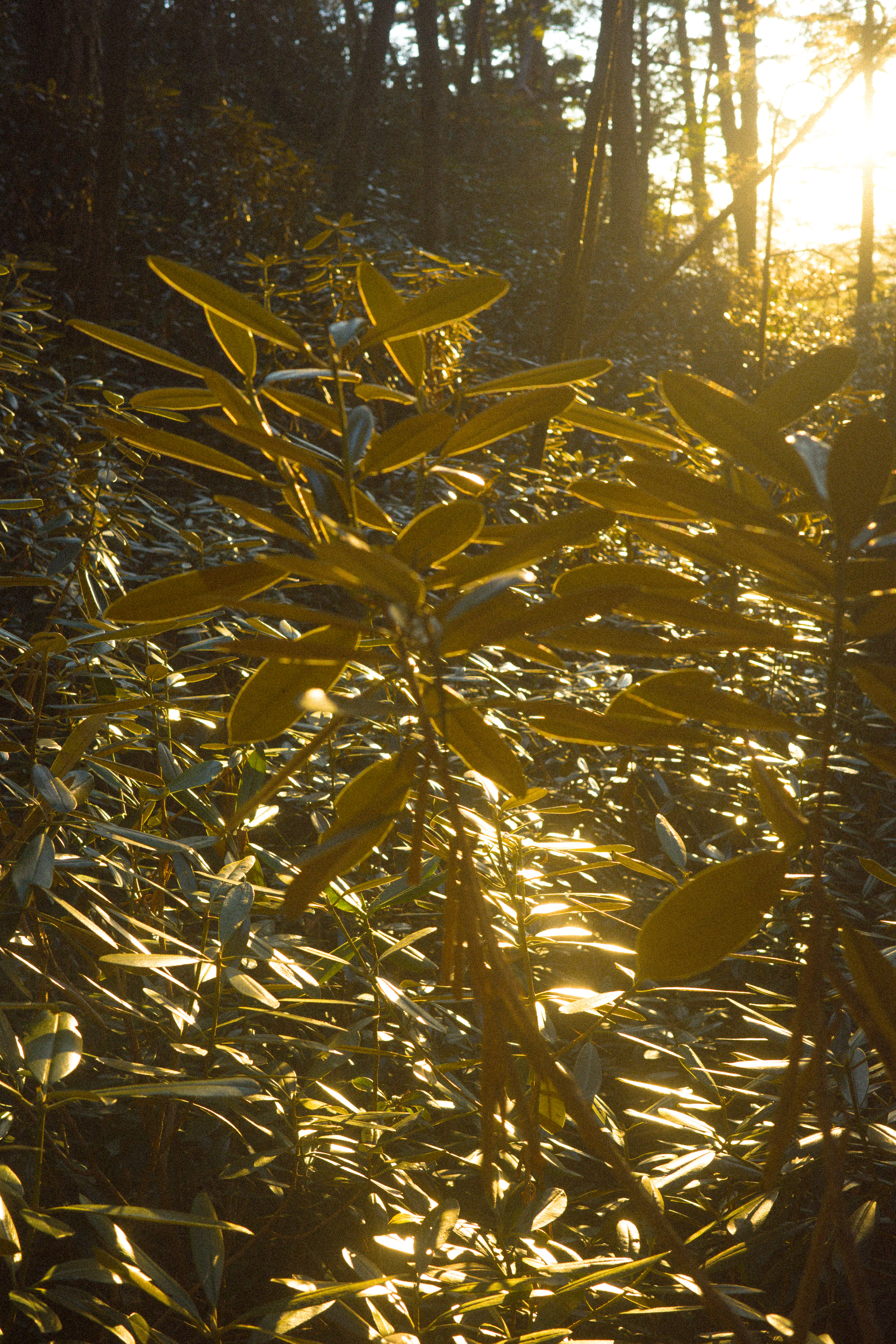
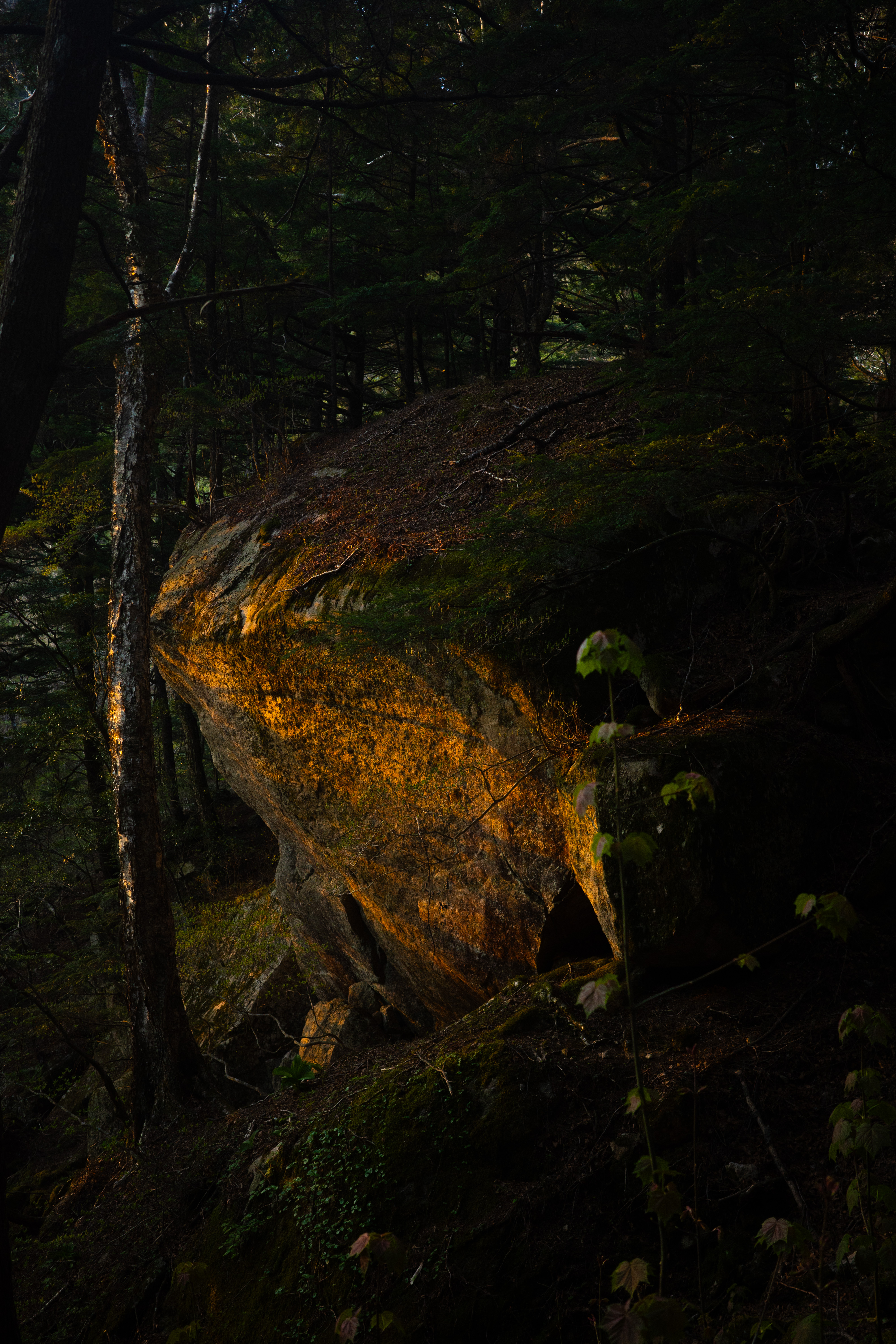
The photographs gathered here were taken between 2024 and 2025, along the approach trails to the climbing area of Mizugaki-yama in Japan. They are records of what I received when the forest welcomed me in ― when I found myself called, stilled, and drawn into the world around me.
My encounter with traditional climbing was what brought me to the mountains of Mizugaki. While there are various ways to ascend mountains and crags, one approach is to climb mainly up cracks, avoiding any harm to the rock. In the way of facing the stone, I felt something that resonated with my own view of nature. And so, I gradually found myself drawn back to Mizugaki.
The approach to the crag area is a thirty-minute walk at an ordinary pace. Yet the path is scattered with countless microcosmos, each one calling out ― and I often found myself stopping, losing track of time, the walk stretching to two or three times its length. As I grew familiar with the path, it began to feel like a sando, the approach to a shrine. When visiting a shrine, something shifts the moment you pass through the torii gate. By the time you reach the main hall, you find your mind has quietly settled. The sando is a path that carries the body from the profane into the sacred. The path was the same.
The word "Mizugaki" refers to the innermost sacred enclosure in Shinto shrines ― a boundary that separates the divine realm from the profane. The mountain's very name means sacred threshold. With Mount Kinpu at the center of the divine realm, Mizugaki-yama stands as the protective boundary that surrounds it. A cave on the mountain still bears Sanskrit characters said to have been carved by Kukai. The great rock I frequented is called Juichimen-iwa, named after Juichimen Kannon, the Eleven-Faced Bodhisattva of Compassion. The sensitivity to sense such spiritual presence here has been shared across time.
As I walk deeper into the forest, my rhythm begins to align with its own. The world that had been invisible starts to reveal itself, one by one. Gifts from the forest scattered everywhere. Here, countless forms of life had always already existed. Not only the living ― in the rocks, in the rhythm of trees swaying in the wind, in light reflected off leaves ― life is felt everywhere. Without needing to affirm existence, without being denied, life simply is. That alone is enough to feel full. In each moment of encounter with this world, I sense the depth of countless interdependencies. The fullness of time, the expansiveness of space ― all of it rises as a single constellation. In that instant alone, I feel as though I am touching the fact that the world is the world. And before I know it, I find myself trying to render that world through the lens.
Leaving the forest, I return to ordinary life. While the faint afterglow of the forest still drifts within the body, I feel as though I am adrift on the boundary between two worlds. It is only during this time of not quite belonging to either ― a kind of instability ― that the contrast between the two worlds comes into focus.
The constellations I witnessed in Mizugaki exist only for an instant. The next moment, they dissolve, shifting into another form. Surely, scattered throughout society too, there are stardust fragments that compose such constellations. Yet the pace of urban life moves too fast to find them. Sometimes, even what has once been found is difficult to recall. And so, knowing that photographs are incomplete as memory, I find myself trying to capture these fragments anyway ― to keep the pieces from scattering entirely.
When there is no time to pause, it becomes easy to perceive people and nature only through their function. When long exposed to such a gaze, one begins to feel stripped of one's name. The life itself quietly withers. What goes unnoticed may, somewhere beyond our awareness, be quietly hurt. When we turn our gaze toward something, and give it a name, dignity is born there. We become able to greet them. The richness of the names that indigenous peoples give to their lands and plants teaches us this. The way of being in connection with the world must have been something long shared among human beings.
Taking photographs, I think, is a gesture not so far from giving something a name. I take photographs to reconnect myself with the world, and to acknowledge the gaze that arises in that encounter. Looking back through these images, I have come to believe this. The gifts received over this one year, I want to hold carefully within. As a place I can always return to. The traces of light gathered by the camera may, someday, form a constellation.